THE READING ROOM
珍惜手边的东西:从“一粥一饭”谈对日常资源的认真
从朱用纯“一粥一饭,当思来处不易”出发,谈按需要准备、爱惜已有物品与照顾共同资源。中英逐段对照,附温和、具体的日常实践。
Care for Everyday Resources: Notice the Effort Behind What We Use
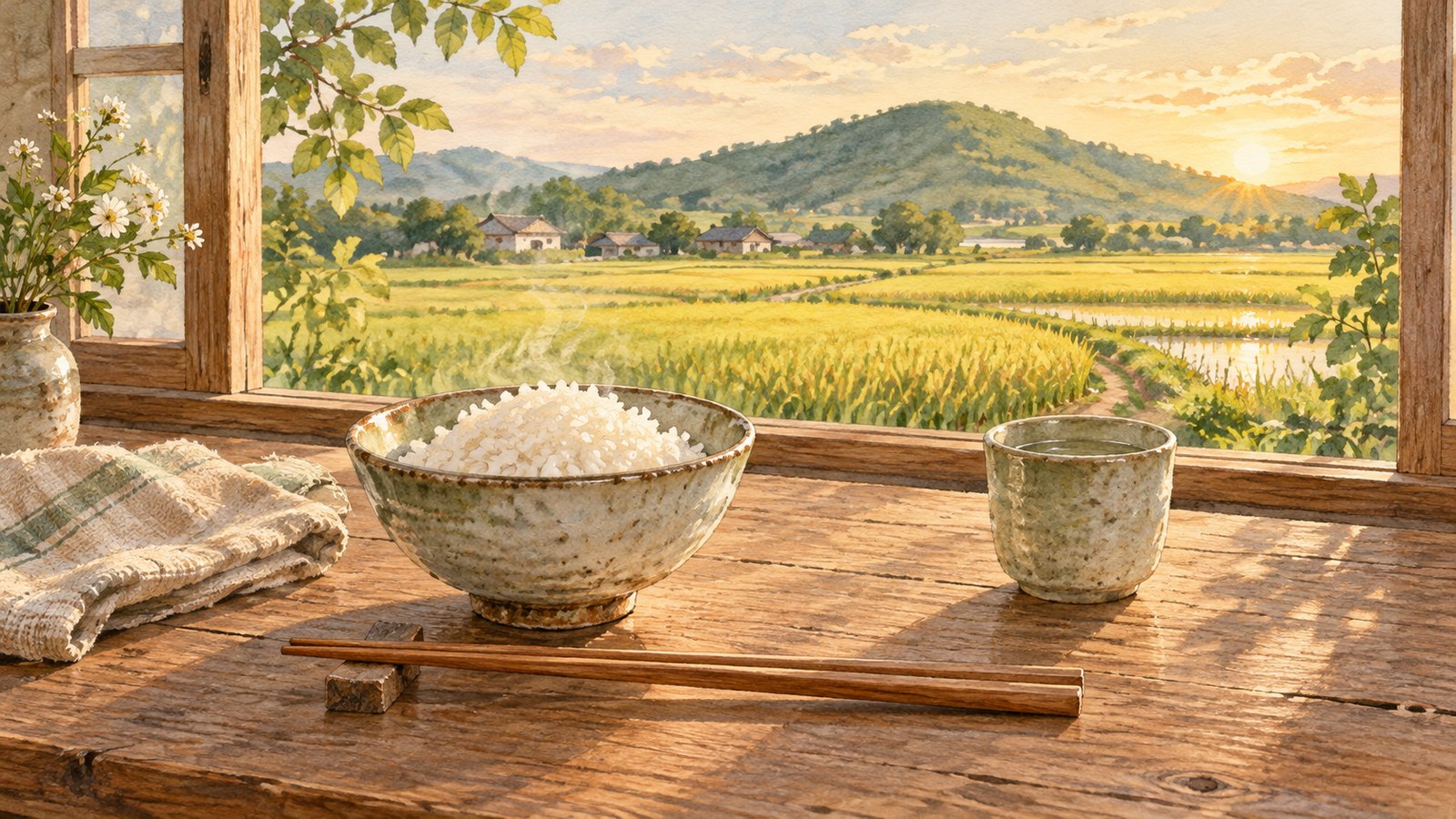
一粥一饭,当思来处不易。
With every bowl of porridge and every meal, remember the effort behind it.
——朱用纯(朱柏庐),《治家格言》;英文为本文意译
一碗饭端到眼前,一件衣服穿在身上,一份材料整齐地摆在桌上,我们常常只看见已经完成的样子。再往前想一点,它们都经过了准备、制作、运输和整理,也经过了许多人的劳动。愿意看见这些过程,会让我们与日常物品的相处多一份认真。
When a bowl of rice reaches the table, a garment is ready to wear, or a document sits neatly on the desk, we usually see the finished result. Looking a little further back reveals preparation, making, transport, and organization, as well as the work of many people. Noticing these processes can bring greater care to our use of everyday things.
朱用纯在《治家格言》中写“一粥一饭,当思来处不易”,提醒人们珍惜普通生活中的供给。今天读这句话,可以从自己能够调整的小事开始:准备得更合适,使用得更爱惜,结束之后也认真整理。朴素的珍惜,能够成为对劳动的一种尊重。
In his household maxims, Zhu Yongchun asks us to remember the effort behind even a simple meal. Read today, this reminder can begin with small adjustments within our reach: prepare an appropriate amount, use things carefully, and put them in order afterwards. Modest acts of care can express respect for the work that brought these resources to us.
一、先看清需要,再开始准备
Understand the need before preparing more.
准备一顿饭,可以先确认有几个人用餐,各自需要多少;整理一份材料,可以先问清哪些内容确实会被使用。把需要弄清楚,有助于减少重复和遗漏。我们付出的是一点提前思考的时间,得到的可能是更合适的安排,以及少一些本可以避免的浪费。
Before preparing a meal, check how many people will eat and roughly what they need. Before producing material, establish which parts will actually be used. Understanding the need helps reduce duplication and omissions. A little thought beforehand can lead to a more suitable arrangement and less avoidable waste.
比如聚餐时,可以先按大家的实际情况安排,再根据需要补充;打印时,可以先检查版本、页数和内容是否完整。这样的做法并不复杂,却让“多准备一点才放心”变成了更具体的判断:到底需要什么,怎样准备才能真正派上用场。
For a shared meal, begin with an arrangement that fits the people present and add what is needed. Before printing, check the version, page count, and completeness of the content. These are simple actions, but they replace a vague wish to prepare more with practical questions about what is needed and how it will be used.
二、把已有的东西使用好
Make good use of what is already available.
一件物品看起来普通,并不影响它承担实际的作用。一本已经翻旧的书,一只仍然好用的杯子,一件经过整理的衣服,都可以继续为生活服务。使用之前看一看条件是否合适,用完之后收好,也是在帮助它们保持可用的状态。
An ordinary appearance does not prevent an object from serving a useful purpose. A well-read book, a cup that still works, or a garment kept in good order can continue to support daily life. Check whether an item suits the task before using it and put it away carefully afterwards. These habits help keep it available for future use.
对于暂时用不到的东西,可以先弄清它是否还有合适的用途。需要转交给别人时,说明真实的情况,确认对方愿意接受;需要重新整理时,也留意以后是否方便找到。让物品在合适的地方发挥作用,比把它们长期堆在看不见的角落更有意义。
For something you do not currently use, consider whether it still has a suitable purpose. If offering it to someone else, describe its condition honestly and make sure they want it. When organizing it for later, consider whether it will be easy to find. An item serving a fitting purpose is more useful than one indefinitely hidden in a corner.
三、尊重共同使用的资源
Care for the things people share.
公共空间里的桌椅、工具和资料,需要许多人一起维护。使用时遵守约定,用完后把东西放回合适的位置,发现缺少或损坏时及时说明,都会让下一个使用的人更方便。共同的资源得到照顾,共同生活的秩序也就更容易维持。
Shared tables, tools, and reference material depend on care from many people. Follow the arrangement for their use, return them to an appropriate place, and report missing or damaged items promptly. These actions make the next person's task easier. Looking after shared resources also helps sustain the order of shared life.
比如借阅资料后及时归还,使用活动场地后整理自己的部分,领取用品时按需要取用。它们都是小动作,却包含着一个清楚的态度:我使用的方便,也需要给别人留下。对共同资源的认真,往往能够被身边的人直接感受到。
Return borrowed material on time, tidy your part of an activity space, and take only the supplies you need. These are small actions, but they express a clear attitude: the convenience available to me should remain available to others. People nearby can often experience this care directly.
四、把珍惜说得温和一点
Encourage care with a considerate tone.
讨论珍惜时,也要尊重不同的生活条件。有人暂时无法安排得周全,有人正在学习新的做法。我们可以具体地谈怎样改善,而不必用一次遗漏评价一个人的品格。比如一起商量下次少准备哪一项,或怎样让资料更容易重复使用,通常比责备更有助于行动。
When discussing careful use, respect different circumstances. Someone may currently struggle to plan thoroughly or may be learning a new practice. Talk about a specific improvement rather than judging their character from one omission. Agreeing on what to prepare less of next time, or how to make material reusable, can support action more effectively than blame.
对自己也是如此。发现一次安排不合适,可以记录原因,调整下一次的步骤。珍惜不需要以不断责备自己为代价,它可以成为一套慢慢成熟的生活习惯。愿意注意、愿意改进,就已经是在认真回应这句古老的提醒。
Apply the same consideration to yourself. If one arrangement was unsuitable, note the reason and adjust the next attempt. Care does not require continual self-reproach. It can become a set of habits that develops gradually. Willingness to notice and improve is already a thoughtful response to this old reminder.
五、今天照顾好一件具体的东西
Take care of one particular thing today.
可以选一件今天会用到的东西,看看它需要怎样准备、怎样使用、怎样收好。它可能是一份待打印的材料,一件借来的工具,也可能是一次共同用餐的安排。只做一个最有帮助的调整,让珍惜从一个抽象的道理,变成可以完成的小行动。
Choose one thing you will use today and consider how to prepare, use, and put it away. It might be material you intend to print, a borrowed tool, or the arrangement for a shared meal. Make the single most helpful adjustment so that care becomes a small action you can complete rather than an abstract principle.
普通物品承接着普通人的劳动,也支撑着我们的日常生活。多看见一点来处,多照顾一点使用中的细节,就能让这些付出得到更好的回应。珍惜手边的东西,也是在学习怎样更踏实地对待人与人共同拥有的生活。
Ordinary objects carry ordinary people's work and support our daily lives. Notice a little more of where they came from and attend to the details of their use. In doing so, you give that effort a more thoughtful response and learn to treat shared life with greater care.
原句出处:朱用纯《朱子家训》(亦称《朱柏庐治家格言》)。本文只取所引名句作生活感悟,生活情境与练习为原创,英文按中文对应编写。
Source: Zhu Yongchun's household maxims, also known as the Zhu Bolu Family Maxims. This article develops original reflections and exercises from the quoted line; the English corresponds to the Chinese text.
继续阅读
让好习惯更容易发生:从“蓬生麻中”谈成长的环境 ↗把尊重放进陪伴里:从“老吾老”谈日常关怀 ↗KEEP EXPLORING
沿着这个主题,再读几句。
Works of imagination should be written in very plain language; the more purely imaginative they are the more necessary it is to be plain.
想象的作品应该用通俗易懂的语言来写;它们越纯粹是想象出来的,就越需要简单明了。
Happy the man who has been able to learn the causes of things.
能学会事物的起因的人是幸福的。