THE READING ROOM
让知识真正用起来:从“要躬行”谈亲身实践
从陆游“纸上得来终觉浅,绝知此事要躬行”出发,谈小范围练习、准备条件、观察结果和带着经验重读。中英对照。
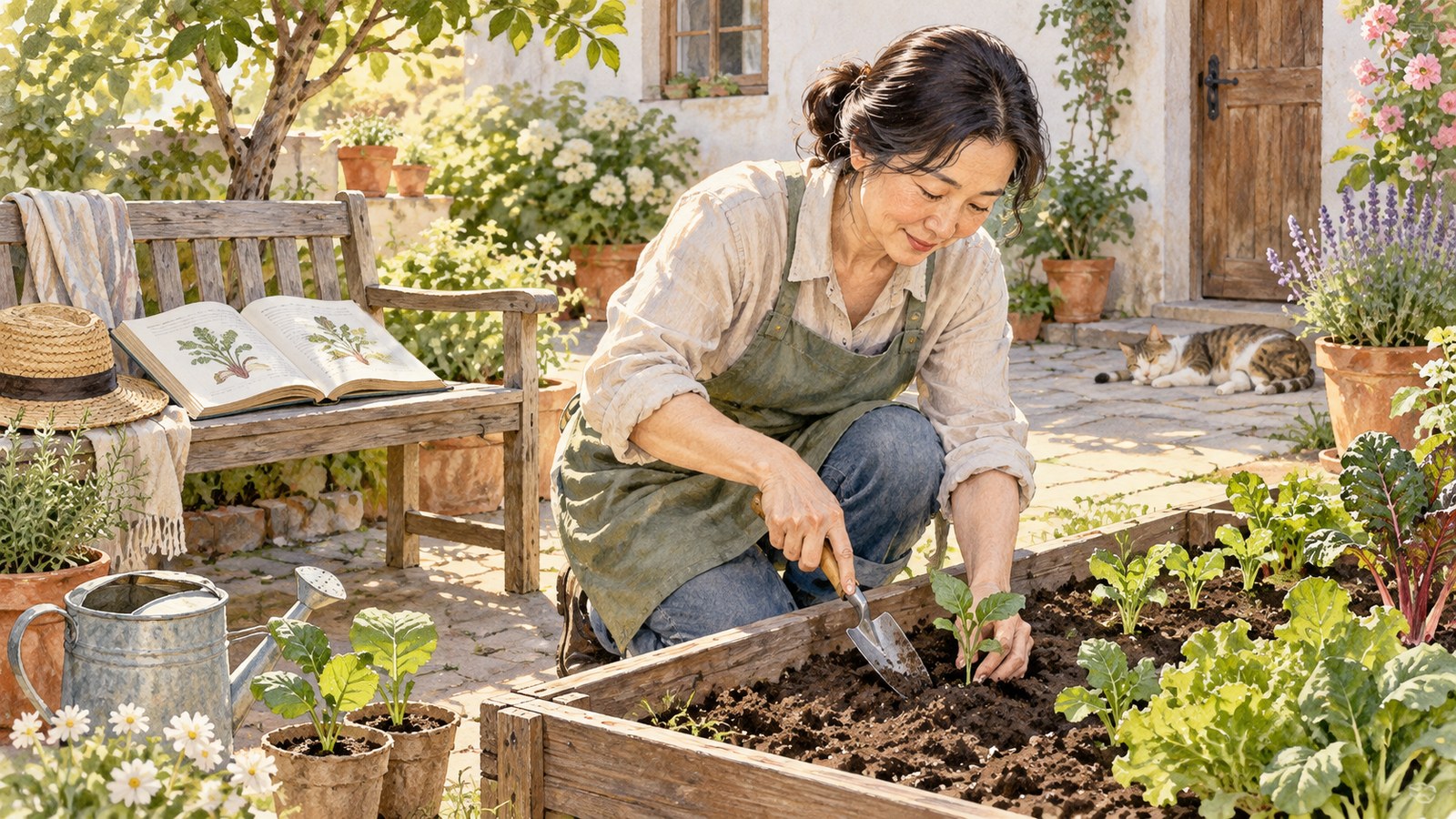
Understanding through Practice: Let Knowledge Meet a Real Task
纸上得来终觉浅,绝知此事要躬行。
What we learn from books alone remains incomplete; to understand it deeply, we must put it into practice.
——陆游,《冬夜读书示子聿》;英文为本文译文
看过一份说明,觉得步骤都懂了,真正动手时却发现仍有许多问题:这里该用多少材料,那个条件怎样判断,出现不同结果以后该怎么办。这种落差并不罕见。文字可以给我们路线,实际去做,才会让一些原来没有注意到的细节显现出来。
After reading instructions, we may feel that every step is clear. Once we begin, questions appear: how much material to use, how to recognize a condition, or what to do when the result differs. This gap is common. Writing offers a route; practice reveals details we had not yet noticed.
陆游在《冬夜读书示子聿》中,既写古人求学用功,也强调亲身实践。读到“纸上得来终觉浅”,可以想到书本与行动的连接:先认真理解,再选择合适的事情去验证,让经验帮助我们读得更细,也做得更稳。
In this poem addressed to his son, Lu You recognizes sustained study and emphasizes practice. The line invites us to connect books and action: understand carefully, choose an appropriate task to test that understanding, and let experience help us read more closely and act more competently.
一、选择一个范围清楚的小任务
Choose a small task with a clear scope.
想练习表达,可以先把一个常见流程讲给朋友听;想学习整理,可以先处理一个抽屉;想理解种植,可以照料一盆适合当地环境的植物。范围小一些,我们更容易看清步骤与结果之间的关系,也不会因为准备过重而迟迟没有开始。
To practise explanation, describe a familiar process to a friend. To learn organization, begin with one drawer. To understand gardening, care for one plant suited to local conditions. A smaller scope makes the relationship between steps and results easier to observe and keeps preparation from indefinitely delaying the start.
任务最好有一个能够确认的完成标准。比如对方听完以后,能够独立复述关键步骤;整理之后,常用物品能够方便找到。标准不必很高,却要与想学的内容有关,避免只忙着做了很多动作,却不知道练习是否有帮助。
Give the task an observable standard: can your listener repeat the essential steps, or can commonly used items be found easily after organizing? The standard can be modest, but it should relate to what you want to learn. Otherwise activity alone gives little indication of whether the exercise helped.
二、动手之前,确认必要的条件
Check the necessary conditions before beginning.
实践需要准备,也需要边界。先读清说明,了解工具的用途、材料要求以及自己尚不具备的能力。涉及专业操作或可能伤害他人的事情,应当由合适的人指导和处理。学习行动力,并不要求我们忽略风险,贸然尝试所有事情。
Practice needs preparation and limits. Read the instructions, understand the tools and materials, and recognize skills you do not yet have. Tasks requiring professional competence or carrying a risk of harm need suitable guidance and handling. Becoming more willing to act does not require attempting everything without adequate preparation.
普通的小任务,也可以先把用品放齐、时间留够。比如按照食谱练习一道熟悉的家常菜,先确认食材和步骤,再开始处理。准备中发现的疑问,往往比做到一半以后临时补救,更容易得到清楚的答案。
Even an ordinary task benefits from having supplies ready and sufficient time. Before following a recipe for a familiar home dish, check the ingredients and sequence. Questions noticed during preparation are often easier to resolve clearly than problems addressed in a rush halfway through.
三、观察实际发生了什么
Observe what actually happens.
操作的时候,留意结果与预期有哪些差异。是某一步没有做到,还是环境与示例不同?可以简单记下条件、做法和结果,暂时不急着给自己下结论。这样,第一次没有做好,也能够留下下一次可以使用的信息。
During the task, notice differences between expectation and result. Was a step missed, or did the conditions differ from the example? Briefly record the conditions, action, and outcome before judging yourself. Even an unsuccessful first attempt can then provide information for the next one.
比如给植物浇水后状态没有改善,需要继续查明光照、土壤和植物种类等条件,而不是马上把水量加倍。观察使行动有依据,也提醒我们:一个结果可能涉及多个因素,不能只凭一次尝试就认定某个办法必然有效。
If watering does not improve a plant's condition, investigate light, soil, and species rather than immediately doubling the water. Observation gives action a basis. It also reminds us that several factors may influence a result, so one attempt cannot establish that a method will always work.
四、带着问题重新读一遍
Return to the material with questions from experience.
做过一次以后,再读原来的材料,常常会注意到先前略过的限定词:需要提前完成,适用于某种条件,或者必须先确认另一个步骤。经验能够让这些字句变得具体。我们由此知道,下次应该补充什么,而不只是把整份说明再背一遍。
After one attempt, the original material may reveal qualifications you previously overlooked: something must be prepared beforehand, a method applies under certain conditions, or another step needs confirmation first. Experience makes these phrases concrete and shows what to add next time, rather than merely what to memorize again.
也可以向有经验的人描述自己试过什么、遇到了什么。带着清楚的过程请教,对方更容易判断问题所在。资料、实践与交流相互连接,理解才能逐渐从“看起来会了”,走向能够说明理由、处理变化的熟悉。
Explain your attempt and its difficulties to someone experienced. A clear account helps them identify the issue. Reading, practice, and conversation can support each other, moving understanding from apparent familiarity toward an ability to explain reasons and respond to variations.
五、今天,为一个知识点安排一次使用
Use one thing you have learned today.
选一项最近读过、但一直没有用过的知识,安排一个安全、低成本的小练习。开始前写下预期,结束后记录一个发现和一个待确认的问题。先做这一轮,就足以让知识与生活之间,出现一条可以继续往返的路。
Choose something you have read recently but not used. Arrange a safe, low-cost exercise, note your expectation beforehand, and afterward record one discovery and one question. This single cycle is enough to begin a route between what you read and what you encounter in life.
亲身实践,让我们更尊重事情的具体条件,也更理解学习需要反复。认真读,适当地做,再带着经验回来思考。知识便能够在一次次这样的往返中,成为我们做事时更可靠的底气。
Practice encourages respect for specific conditions and for learning through repeated attempts. Read carefully, act appropriately, and return to reflection with experience. Through these exchanges, knowledge can become a more dependable basis for what you do.
原句出处:陆游《冬夜读书示子聿》。本文为现代学习感悟,英文为本文原创译文。
Source: Lu You, Reading on a Winter Night, for My Son Ziyu. The English translation and reflections were written for this article.
继续阅读
把力气用在值得的地方:从“知止”谈长久的努力 ↗听得进建议,也守得住分寸:从子路闻过则喜谈改进 ↗KEEP EXPLORING
沿着这个主题,再读几句。
There is only one thing more painful than learning from experience and that is not learning from experience.
只有一件事比从经验中学习更痛苦,那就是不从经验中学习。
No man's knowledge here can go beyond his experience.
这里没有人的知识能超越他的经验。
The experimenter who does not know what he is looking for will not understand what he finds.
不知道自己在寻找什么的实验者将无法理解自己的发现。