THE READING ROOM
找回的零钱,多了一张
走到菜市场门口,沈川发现零钱里多了二十元。他提着菜袋回到摊前,把数目说明白,也让这笔小账有了清楚的收尾。
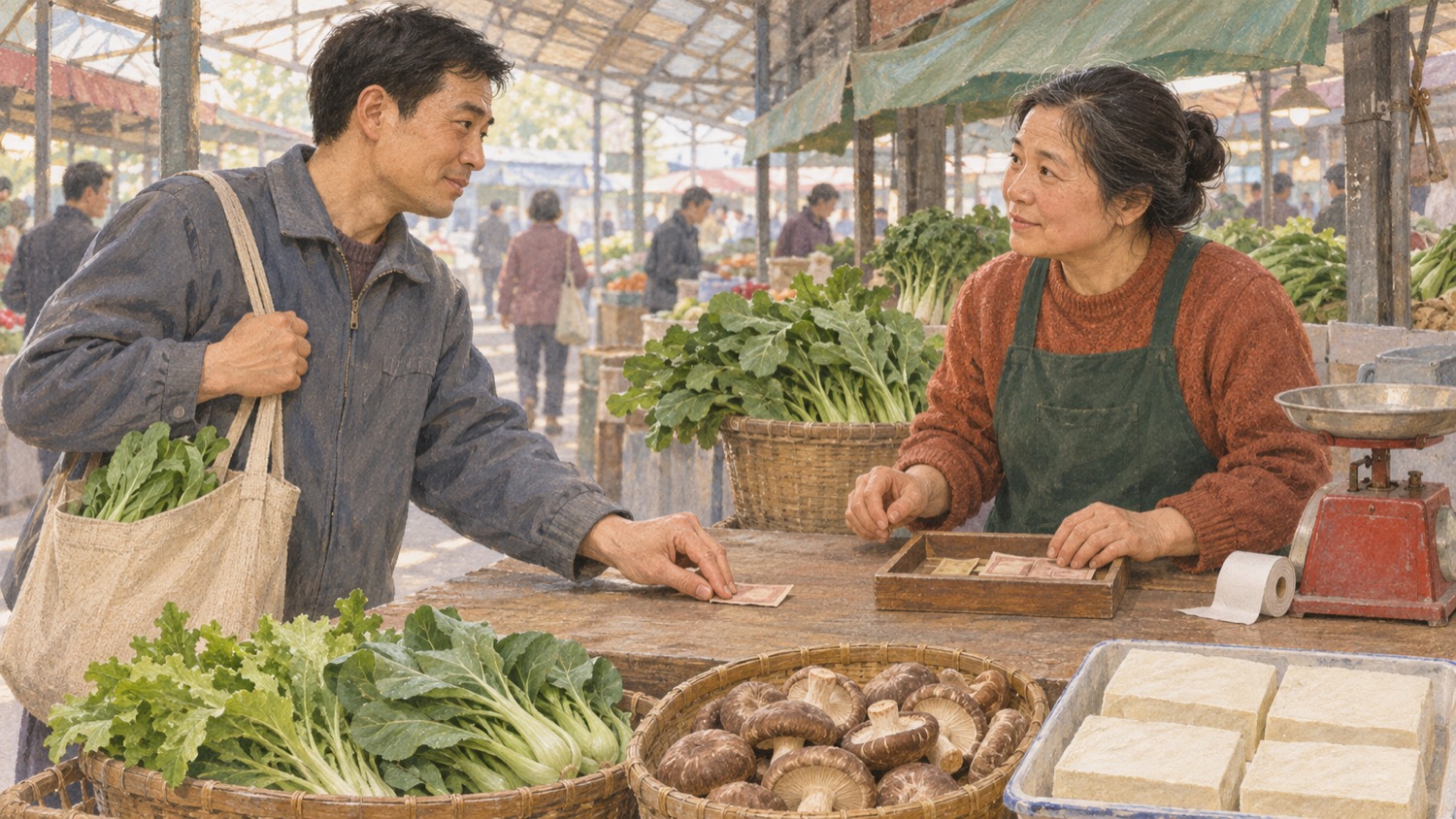
An Extra Note in the Change
本篇原创感悟:诚实有时是一段很短的回头路,走过去,把那句话说明白就好。
Original reflection: Sometimes honesty is a short walk back, followed by a clear explanation.
走到市场门口 | At the Market Entrance
沈川走到菜市场门口,才腾出手整理零钱。豆腐、青菜和香菇装了满满一袋,提带把手指勒出一道印。他把袋子放在矮台上,展开刚才匆忙接过的几张纸币。小票上写着三十六元,他付的是五十元,手里却有一张二十元、一张十元和四张一元。他把票上的数又看了一遍,应该找回十四元,多出的正好是二十。
At the market entrance, Shen Chuan finally had a free hand to sort his change. Tofu, greens and mushrooms filled his bag, the handles leaving a mark on his fingers. He set it on a low ledge and unfolded the notes he had accepted in a hurry. The receipt said thirty-six yuan. He had paid fifty, but held a twenty, a ten and four ones. He checked again. Fourteen was due back. There was an extra twenty.
摊位在靠里面的第二条过道。他往外看了一眼,回家的路就在前面,身后的人还在往市场里走。刚才结账时,卖菜的大姐一边接钱,一边回答旁边顾客问香菇价钱的话,忙得顾不上抬头。他忽然有点不想再挤回去了,便在原地站了几秒。手里的小票很薄,二十元却还夹在另外几张钱中间,数目已经明明白白。
The stall was in the second aisle, well inside the market. The road home lay ahead, while shoppers kept entering behind him. The vendor had taken his money while answering another customer's question about mushroom prices, barely looking up. For a moment, he did not want to squeeze back through the crowd. He stood there with the thin receipt and the twenty still among the other notes. The arithmetic was already clear.
把数目说一遍 | Saying the Amounts Aloud
他把十四元收进钱包,把多出的那张和小票拿在一起,重新提起菜袋。回到摊前,大姐正在给青菜称重。他等她把那笔钱收好,才把二十元放在柜台干燥的一角,说刚才买了三十六元,付了五十,拿到的零钱是三十四元。“这一张多找了。”他把小票推近一点,声音和刚才问豆腐多少钱时差不多。
He put fourteen yuan in his wallet and kept the extra note with the receipt. Back at the stall, he waited while the vendor weighed some greens and completed the sale. Then he laid the twenty on a dry corner of the counter. He explained that his purchases had cost thirty-six, he had paid fifty, and he had received thirty-four in change. “This was extra.” He slid the receipt closer, speaking much as he had when asking the price of tofu.
大姐低头听他算完,把小票上的几项又加了一遍,才接过钱。她说刚才忙乱,取零钱时多拿了一张,又抬头说了声谢谢。沈川点点头,顺手把压在票角上的那片菜叶拨开。后面的顾客已经问起旁边的萝卜,他便往侧边让出地方。秤盘又响了一下,袋子被抖开,这件事就在几句很平常的话里处理好了。
The vendor listened, added up the items on the receipt and took the money. She said she had picked up an extra note in the rush, then looked up to thank him. Shen nodded and brushed a leaf from the corner of the receipt. The customer behind him was asking about radishes. He stepped aside. The scales clattered, another bag was shaken open, and the matter was settled in a few ordinary sentences.
这回再走到门口,沈川换了一只手提袋子。他想起以前自己替人收过报名费,少了几块钱,就把名单从头查到尾,连已经收起来的信封都倒出来看过。今天柜台后面的人,晚上也许要把一笔笔小账对齐。多出来的二十元,回到原来的地方,至少让这笔交易能按小票上的数收尾。他也可以带着买好的菜,接着往家走。
At the entrance again, Shen changed hands. He remembered collecting fees for an activity once. A few missing yuan had sent him through the whole list and back into envelopes he had already put away. Perhaps the person behind today's counter would also have small sums to reconcile that evening. Returning the twenty meant this transaction could finish at the amount on the receipt. He could carry his groceries home and get on with the day.
一件小事的收尾 | Finishing a Small Matter
这样的差错在忙碌时可能发生。收到零钱或替人结账,先把应付、已付和找回的数目核对一下,发现不一致,再把凭据和具体数字拿出来说明。语气平和一点,给对方重新算一遍的时间。如果自己的记忆也不确定,就一起把过程理清楚。把问题落在那笔账上,处理起来会更清楚,也能给彼此留些从容。
Mistakes can happen in a rush. When receiving change or settling a bill for someone, check the amount due, the amount paid and the change received. If they differ, explain with the receipt and the actual figures. Speak calmly and give the other person time to calculate again. If your own recollection is uncertain, work through what happened together. Keeping the conversation focused on the transaction makes it clearer and gives both people room to think.
沈川那天也给自己添了个习惯。下次买完东西,先把袋子放稳,数清零钱再离开柜台。轮到自己帮忙收钱,就把收到的面额说出来,算好应找的钱,交到对方手里。这些动作不过多用几秒,却能少留下一些事后猜来猜去的麻烦。他愿意在没有人特别留意的时候,也把这样的步骤做完整。
Shen decided on a small habit. Next time, he would set his bag down and count the change before leaving. When helping to collect money himself, he would say the amount received aloud, calculate the change and hand it over. A few extra seconds could reduce the uncertainty people otherwise carried away. He wanted to finish those steps even when nobody was paying particular attention.
到家后,他把豆腐端进厨房,香菇放进竹篮里,最后展开那张被折过两次的小票。上面的字有一处洇了,三十六元仍看得清。他在当天的买菜记录里填上这个数,把票收好,又去洗青菜。菜市场里那段回头路,已经稳稳接在这个普通的上午里。接下来,他要做的事很具体,烧一壶水,把午饭慢慢准备好。
At home, he took the tofu into the kitchen and put the mushrooms in a bamboo basket. He unfolded the receipt, creased twice. One patch of ink had blurred, but the thirty-six was still clear. He entered it in his grocery record, put the slip away and washed the greens. The walk back through the market had found its place in an ordinary morning. Next came something simple: putting the kettle on and getting lunch ready at an easy pace.
本文为优文网原创双语随笔,人物与场景为虚构。开篇感悟及译文均为本篇创作。
关于本文内容
本文由优文网站点维护者发布。近期原创双语随笔使用 AI 辅助起草、翻译和插画,发布流程包含中英对照、署名与页面校对。本站署名不代表专业资质;历史引文和译文仍可能有疏漏。
继续阅读
让善良长久而温暖:关心别人,也尊重自己的边界 ↗意见箱里的一条蓝鱼 ↗KEEP EXPLORING
沿着这个主题,再读几句。
To share happiness and to have done something good before leaving this life is sweet.
在离开这个世界之前分享快乐和做一些好事是甜蜜的。
Being a decent human being will require effort and energy.
做一个正派的人需要努力和精力。
Consider the rights of others before your own feelings, and the feelings of others before your own rights.
先考虑别人的权利,再考虑自己的感受;先考虑别人的感受,再考虑自己的权利。